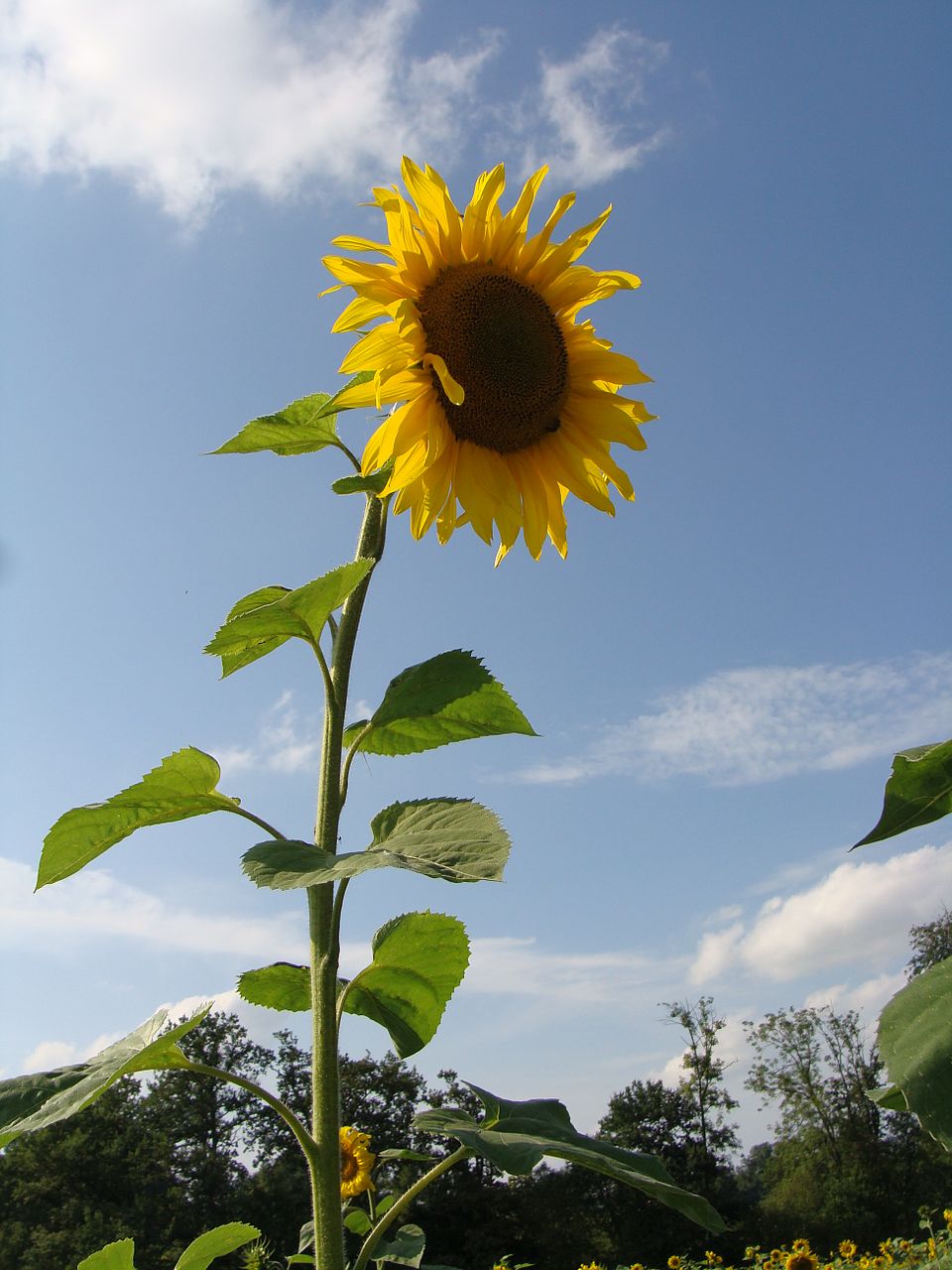
The sunflower, with its radiant face perpetually tracking the sun, is an iconic symbol of summer, vitality, and natural beauty. From sprawling agricultural fields stretching across vast continents to charming garden borders, its presence is ubiquitous. Yet, few truly ponder the extraordinary journey this majestic plant undertook to become such a global powerhouse. Where did it all begin? The answer lies far from the European landscapes where it now famously thrives. In fact, to truly understand its story, we must journey back thousands of years to the heart of the Americas.
The Ancient Roots: Whence "Stammen Sonnenblumen Aus Amerika"?
The question, "Stammen Sonnenblumen Aus Amerika?" which translates to "Do sunflowers originate from America?", is met with a resounding yes. The sunflower, scientifically known as Helianthus annuus, is indeed a native of North America. Its story isn't one of recent discovery, but rather one deeply interwoven with the ancient history of indigenous peoples across what is now Mexico and the southern United States.
Archaeological evidence paints a vivid picture of early cultivation, showing that these resilient plants were domesticated by indigenous communities over 4,000 years ago, with some findings dating back as far as 2500 BC. Long before corn or beans became staples, the sunflower was already a crucial agricultural crop. These early cultivators recognized the immense value hidden within its seeds, transforming a wild plant into a cornerstone of their survival and culture.
The ingenuity of these ancient civilizations is truly remarkable. Sunflowers were not merely a food source; their utility was multifaceted:
- Nourishment: The seeds provided a rich source of protein, healthy fats, and essential nutrients, forming a vital part of the indigenous diet. They were ground into flour for bread or cakes, consumed as snacks, or used to extract oil.
- Medicine: Various parts of the plant were utilized for medicinal purposes. Indigenous healers prepared ointments, poultices, and remedies from sunflower extracts to treat a range of ailments, from skin conditions to respiratory issues.
- Ritual and Spirituality: The sunflower held significant spiritual and ritualistic importance. Its heliotropic nature – the way it turns to follow the sun – likely symbolized life, fertility, and divinity. Historical accounts, such as those by Francisco Pizarro, detail observations of Incas in South America venerating the sunflower as an emblem of their sun god.
- Dyes and Other Uses: Beyond sustenance and spirituality, parts of the plant were also used to produce vibrant yellow and purple dyes, highlighting its versatility in daily life and ceremonial practices.
This deep connection to the land and profound understanding of plant properties underscore the sophisticated agricultural practices and ecological knowledge possessed by the original inhabitants of the Americas.
A Transatlantic Voyage: From New World to Old World Gardens
For millennia, the sunflower remained a treasure exclusive to the American continents. Its destiny changed dramatically with the arrival of European explorers in the 16th century. Spanish seafarers, marveling at the exotic flora of the New World, are credited with bringing sunflower seeds across the Atlantic to Europe, reportedly around 1552. This marked the beginning of its global spread.
Upon its arrival in Europe, the sunflower was initially perceived not as a staple crop, but as an ornamental curiosity. Its towering stature and brilliant golden blooms made it an instant sensation in botanical gardens and aristocratic estates. It was admired for its exotic beauty, a living trophy from a distant, mysterious land. Gardeners delighted in its striking appearance, far removed from its utilitarian role as a vital food source and medicinal plant in its homeland.
The sunflower quickly found a congenial home in Europe's temperate and warm climates, particularly thriving in regions like Italy, where it has since become an unofficial symbol of the picturesque Tuscan landscape. While its journey across the ocean transformed its initial purpose, it also laid the groundwork for its eventual agricultural prominence.
Delve deeper into this fascinating journey by exploring How Sunflowers Traveled from Ancient America to Europe's Gardens.
The Golden Transformation: From Ornament to Agricultural Powerhouse
It took several centuries for Europeans to fully recognize the immense agricultural potential of the sunflower beyond its aesthetic appeal. While some early experiments with oil extraction occurred, it wasn't until the 18th and 19th centuries, particularly in Eastern Europe, that its value as an oilseed crop truly began to be appreciated and commercially exploited. This shift marked a pivotal moment in the sunflower's global trajectory, transforming it from a garden novelty into a key player in the global food economy.
Today, the sunflower is cultivated worldwide, with vast fields stretching across continents, particularly in regions with suitable moderate to subtropical climates. Leading the charge in sunflower oil production are countries like Russia and Ukraine, where it stands as a critical oilseed crop. Other major producers include China, the United States, and several European nations such as France, Germany, and Austria. The global demand for sunflower oil, known for its mild flavor and health benefits, has cemented the plant’s status as an indispensable agricultural commodity.
Modern Marvels: Beyond the Oil
The versatility of the sunflower in the modern world extends far beyond its role as an oil producer. Its applications touch various aspects of our lives:
- Culinary Oil: Sunflower oil remains a staple in kitchens worldwide, used for cooking, frying, salad dressings, and in the production of various food products. Its light taste and beneficial unsaturated fats make it a popular choice for health-conscious consumers.
- Snack Foods: Roasted sunflower seeds are a beloved snack, enjoyed globally for their nutty flavor and nutritional value. Rich in Vitamin E, magnesium, and selenium, they are often incorporated into granolas, breads, and other baked goods, offering a convenient way to boost nutrient intake.
- Animal Feed: After oil extraction, the remaining sunflower meal is a valuable, protein-rich byproduct used as livestock feed, contributing to sustainable agriculture by minimizing waste and providing essential nutrition for animals.
- Ornamental Gardening: Despite its industrial prominence, the sunflower retains its charm as an ornamental plant. Breeders have developed countless varieties, from dwarf patio plants to multi-headed giants, ensuring its continued presence in gardens, parks, and floral arrangements, where it continues to evoke feelings of happiness and warmth.
- Environmental Uses: Interestingly, sunflowers are also employed in phytoremediation, a process where plants are used to clean contaminated soil or water. Their remarkable ability to absorb heavy metals and other pollutants makes them valuable tools in environmental restoration efforts, showcasing their benefit beyond direct human consumption.
- Cultural Symbolism: Its radiant beauty continues to inspire artists and cultures. As mentioned, it's a cherished symbol of regions like Tuscany, embodying sunshine, natural beauty, and a deep connection to the land, often featured in art, literature, and local festivals.
The journey of the sunflower, from its ancient origins in the Americas to its modern-day global significance, is a testament to its remarkable adaptability and the foresight of those who first cultivated it. From the ceremonial plots of indigenous peoples to the vast commercial farms of today, it continues to nourish, heal, and inspire.
For more detailed insights into its initial journey across the Atlantic, be sure to read Sunflowers: Tracing Their American Origins to European Fields.
Conclusion: A Golden Legacy Continues
The story of the sunflower is a compelling narrative of botanical endurance, cultural exchange, and economic transformation. What began as a vital crop nurtured by indigenous Americans thousands of years ago in their ancestral lands evolved into an ornamental marvel for European eyes, before finally blooming into a cornerstone of global agriculture and an essential source of healthy oils. The answer to "Stammen Sonnenblumen Aus Amerika?" not only confirms its American heritage but unravels a rich tapestry of history, innovation, and enduring natural beauty. As we continue to enjoy its golden seeds and oil, or simply admire its cheerful presence in a summer field, we are reminded of this remarkable plant's incredible journey and its lasting legacy that continues to brighten and nourish the world.