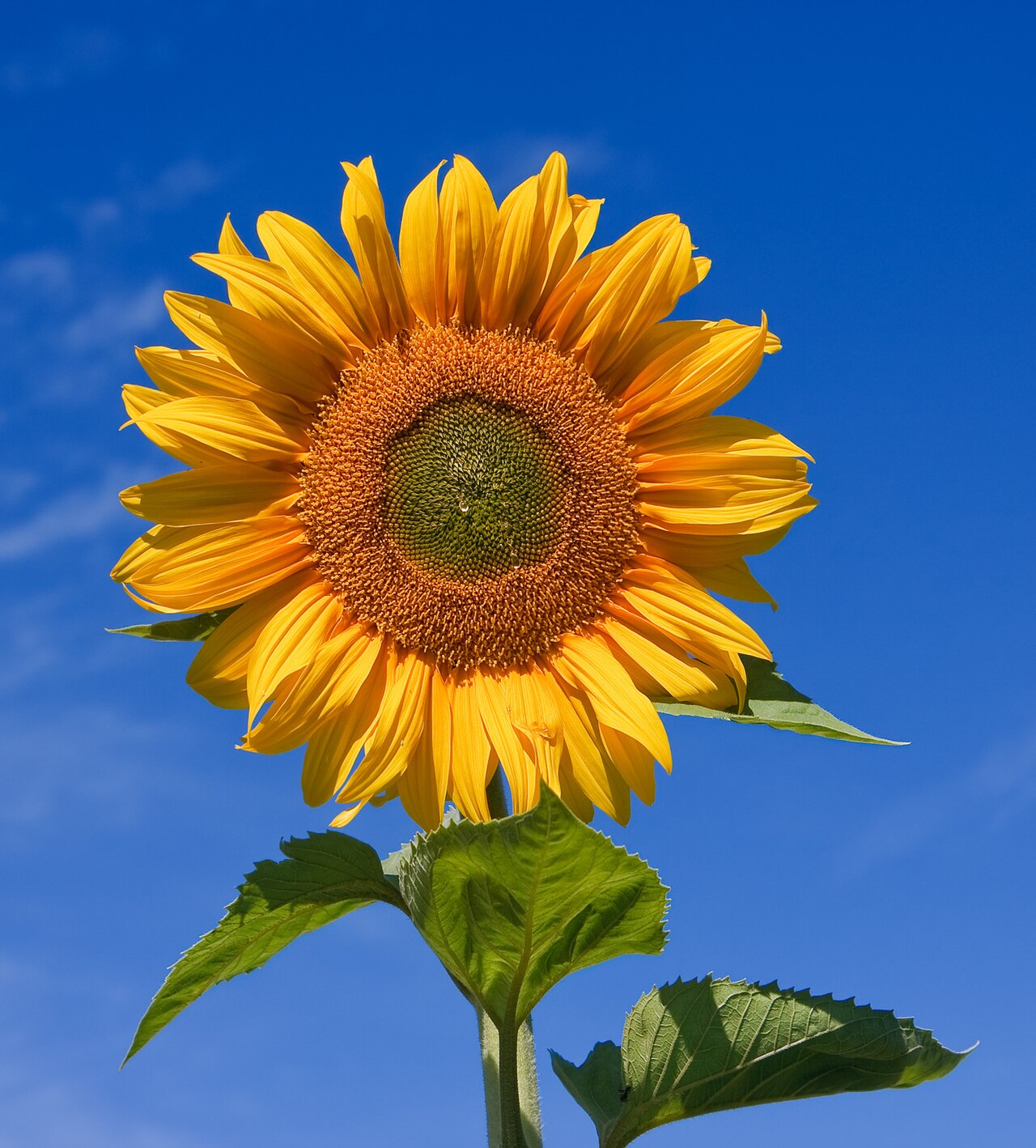
How Sunflowers Traveled from Ancient America to Europe's Gardens
The sight of a sunflower, its radiant head tracking the sun across the sky, is synonymous with summer, warmth, and vitality. These towering beauties adorn gardens, inspire artists, and fuel kitchens worldwide with their versatile seeds and oil. But have you ever paused to wonder about their roots, their incredible journey across continents? The answer to the question,
Stammen Sonnenblumen Aus Amerika (Do sunflowers come from America?), unveils a fascinating tale of ancient cultivation, transatlantic voyages, and eventual global domination. Far from being just a pretty face, the sunflower embodies a rich history woven into the fabric of human civilization, from indigenous American cultures to the vast agricultural fields of Europe and beyond.
The Ancient Roots: Where Sunflowers First Bloomed
To understand the sunflower's remarkable journey, we must first travel back in time, over 4,000 years, to the heart of North and Central America. This region, encompassing parts of modern-day Mexico, the southern United States, and southern Canada, is the undisputed cradle of the sunflower. Here, the wild *Helianthus annuus* thrived, its robust nature catching the eye of indigenous peoples long before Europeans set foot on the continent.
Archaeological findings offer compelling evidence that these early inhabitants were not merely observers but pioneering cultivators. As early as 2500 BCE, communities began domesticating the wild sunflower, transforming it from a native plant into a vital agricultural crop. Their reasons were manifold and deeply ingrained in their way of life:
- Nourishment: The seeds were a highly nutritious food source, eaten raw, ground into flour for bread and cakes, or pressed for valuable oil.
- Medicine: Various parts of the plant were utilized for their medicinal properties, though specific applications varied among tribes.
- Ritual and Spirituality: The sunflower held profound spiritual significance. For civilizations like the Incas, its resemblance to the sun made it a sacred symbol, often revered as an image of their sun god. Francisco Pizarro, the Spanish conquistador, reportedly observed this reverence firsthand.
- Other Uses: Beyond sustenance and spirituality, parts of the sunflower were used for dyes and even building materials.
This early domestication by indigenous American peoples highlights their advanced understanding of botany and their ingenious ability to harness natural resources. The sunflower was a staple, deeply integrated into their diets, ceremonies, and daily lives, long before it embarked on its global odyssey.
A Transatlantic Voyage: Sunflowers Arrive in Europe
The turning point in the sunflower's history, marking its transition from a regional American crop to a global phenomenon, came with the "discovery" of the Americas by European explorers. It was in the 16th century that sunflower seeds first made their way across the Atlantic. Spanish seafarers, returning from their voyages to the New World, are credited with bringing these intriguing seeds back to Europe, likely around 1552.
Initially, the sunflower was met with curiosity and admiration rather than agricultural intent. It was cherished primarily as an exotic ornamental plant, a botanical marvel from a distant land. Its impressive height, large, radiant flowers, and unique habit of turning towards the sun captivated European gardeners and aristocrats. It was a novelty, adorning gardens and balconies, a testament to the wonders of the newly explored continents.
For centuries, its role remained largely aesthetic. However, as scientific understanding and agricultural practices evolved, Europeans gradually began to recognize the plant's deeper potential. The rich oil content of its seeds, a characteristic well known to its original American cultivators, eventually caught the attention of farmers and innovators. The temperate, warm climate found in many parts of Europe proved ideal for the sunflower's growth, allowing it to truly "take root" – a delightful botanical wordplay, especially when considering its eventual symbolic association with regions like Tuscany in Italy, where it has become an iconic landscape feature. This burgeoning interest marked the beginning of its transformation from a garden curiosity into a valuable agricultural commodity.
If you're fascinated by the journey of these remarkable plants, delve deeper into
Sunflowers: Tracing Their American Origins to European Fields for a more detailed account of its global spread.
From Ornamental Beauty to Global Agricultural Powerhouse
The 18th and 19th centuries witnessed the true agricultural revolution of the sunflower in Europe, particularly in Eastern Europe. Its oil-rich seeds offered a viable alternative to other vegetable oils, leading to extensive cultivation. Russia, in particular, became a pioneering force in large-scale sunflower farming and oil extraction, a legacy that continues to this day. Along with Ukraine, these nations remain crucial players in the global sunflower oil market.
Today, the sunflower is a truly cosmopolitan plant, cultivated across diverse climates in both temperate and subtropical zones. Its utility has expanded far beyond its ancient origins, though its core values remain:
- Oil Production: The primary use globally, sunflower oil is a healthy, versatile cooking oil, a key ingredient in countless food products, and even used in biofuels.
- Snack Food: Roasted sunflower seeds are a popular and nutritious snack worldwide.
- Animal Feed: Sunflower meal, a byproduct of oil extraction, is a valuable protein-rich feed for livestock.
- Ornamental Value: Still cherished for its aesthetic appeal, it graces gardens, parks, and floral arrangements.
- Ecological Benefits: Sunflowers are excellent for attracting pollinators like bees, supporting biodiversity, and can even be used in phytoremediation to clean contaminated soil.
Major cultivation regions now include Russia, Ukraine, China, the United States, France, Germany, and Austria. The journey of the sunflower, from its ancient American origins where indigenous peoples harnessed its potential for sustenance and ritual, to its current status as a global agricultural powerhouse, is nothing short of extraordinary. For a comprehensive look at how they transformed
From Indigenous American Crop to Global Oil Powerhouse: The Sunflower Story, explore our detailed article.
Cultivating Your Own Piece of History: Tips for Growing Sunflowers
Inspired by the sunflower's incredible journey? Growing your own *Helianthus annuus* is a rewarding experience, connecting you directly to its ancient past and vibrant present. Here are some practical tips to help these sun-worshippers thrive in your garden or balcony:
- Choose the Right Spot: Sunflowers are true heliotropes, meaning they love the sun! Plant them in a location that receives at least 6-8 hours of direct sunlight daily.
- Soil Preparation: They prefer well-draining soil that's rich in organic matter. While not overly fussy, amending heavy clay or sandy soils will yield better results.
- Planting Seeds: Sow seeds directly into the ground after the last frost, typically in late spring or early summer. Plant them about 1 inch deep and 6 inches apart. Once seedlings emerge, thin them to 1-2 feet apart for optimal growth, especially for larger varieties.
- Watering: Keep the soil consistently moist, especially during germination and when the plants are young. Once established, they are somewhat drought-tolerant but will benefit from deep watering during dry spells.
- Support Tall Varieties: Some varieties can grow over 10 feet tall! Consider staking them in windy areas to prevent breakage.
- Pest and Disease Watch: Sunflowers are generally robust, but keep an eye out for common garden pests like aphids or fungal diseases. Good air circulation can help prevent fungal issues.
- Harvesting Seeds: When the back of the flower head turns yellow and the seeds look plump, the seeds are ready. Cover the heads with mesh bags to protect them from birds until you're ready to cut and dry them.
- Variety Selection: Explore different types! From colossal single-stemmed varieties perfect for seeds, to multi-branching ornamental types in shades of yellow, red, and even white, there's a sunflower for every gardener. Dwarf varieties are excellent for pots and smaller spaces.
Conclusion
The journey of the sunflower, from the plains and valleys of ancient America to the vast agricultural fields and vibrant gardens of Europe and the world, is a testament to its enduring appeal and incredible versatility. Originating as a vital crop for indigenous peoples, cherished for its sustenance, medicine, and spiritual significance, it embarked on a transatlantic voyage in the 16th century. What began as an exotic ornamental plant in European gardens slowly but surely transformed into a global agricultural staple, primarily for its oil-rich seeds. So, to answer the question,
Stammen Sonnenblumen Aus Amerika, with a resounding yes – these radiant flowers are indeed a gift from the Americas, their history a vibrant tapestry woven through millennia of human ingenuity and natural beauty. Their silent, sun-tracking dance continues to remind us of their incredible past and their undeniable importance in our present.